
Published June 4, 2026
Hot Summer Workouts, Cool Indoor Spaces: Smart Climate Control Secrets for Fitness Enthusiasts
Introduction
Summer is often seen as one of the best times to stay active. The longer daylight hours, early sunrises, and energetic atmosphere naturally encourage people to move more, train harder, and spend extra time focusing on fitness goals. However, the same season that inspires outdoor activity also brings intense heat, rising humidity levels, and unpredictable temperature spikes that can make consistent training extremely challenging. For many fitness enthusiasts, the excitement of summer workouts quickly fades when overheating, dehydration, and fatigue begin to interfere with performance.
When the body is exposed to excessive heat during exercise, it has to work significantly harder to regulate internal temperature. This added strain can reduce endurance, slow down muscle recovery, and increase the risk of dizziness or exhaustion. Even indoor workouts are not completely safe from these effects if the environment is not properly controlled. A poorly ventilated room or an overheated gym can feel just as draining as outdoor training under direct sunlight.
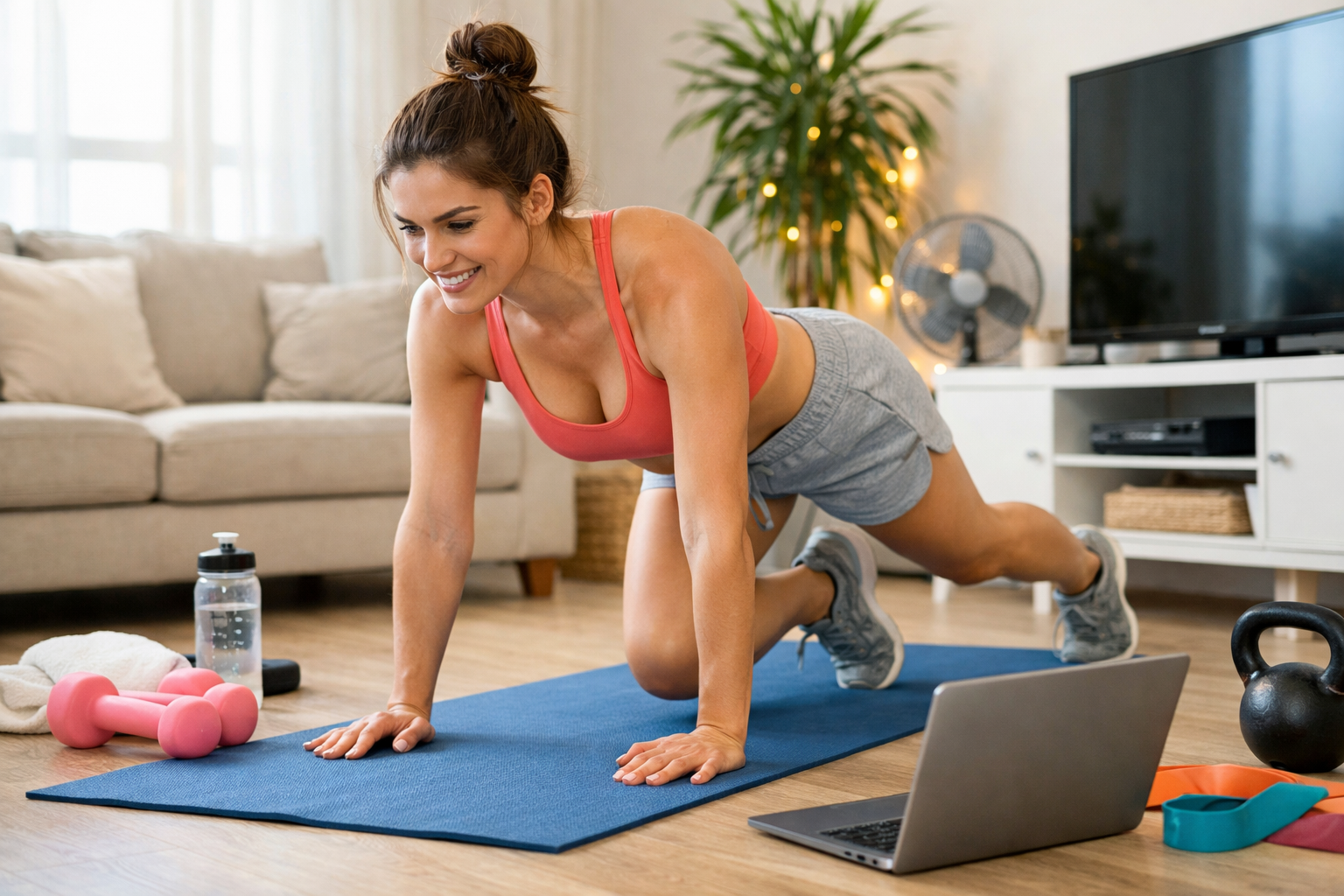
This is why smart climate control has become an essential part of modern fitness environments. Whether someone is training at home, in a commercial gym, or in a personal fitness studio, maintaining a stable and comfortable indoor temperature can dramatically improve workout quality. It allows the body to perform efficiently, supports better breathing, and helps maintain consistent energy levels throughout the session.
In this article, we will explore how temperature regulation, air conditioning strategies, ventilation systems, and smart lifestyle habits work together to create the ideal indoor workout environment during hot summer months.
1. Understanding How Heat Impacts Physical Performance
To fully appreciate the importance of climate control, it is essential to understand how heat affects the human body during exercise. When you engage in physical activity, your muscles naturally generate heat as a byproduct of energy production. Under normal conditions, the body regulates this heat through sweating and increased blood circulation to the skin’s surface. However, when the surrounding environment is already hot, this cooling process becomes less efficient and more demanding.
As the temperature rises, the cardiovascular system begins to work harder than usual. The heart pumps faster to help release internal heat, which can make even moderate exercise feel more intense. This is why a workout that normally feels manageable may suddenly feel exhausting during a heatwave. Over time, this can lead to reduced stamina, lower strength output, and shorter workout duration.
Humidity further complicates the situation. In humid conditions, sweat does not evaporate as quickly from the skin. Since evaporation is the body’s natural cooling mechanism, this slowdown traps heat inside the body, creating a feeling of heaviness and discomfort. This is one of the main reasons people feel more tired in humid weather even when they are not performing high-intensity exercise.
On the other hand, maintaining a well-regulated indoor temperature creates a completely different experience. When the environment is cool and stable, the body does not need to overcompensate for heat stress. Oxygen delivery becomes more efficient, muscles remain more relaxed, and endurance levels improve naturally. Many sports scientists suggest that an indoor temperature between 20°C and 22°C is ideal for strength-based workouts, while slightly cooler conditions are better suited for cardio training sessions. Within this range, the body can focus more on performance and less on temperature regulation.
2. The Role of Smart Air Conditioning in Fitness Environments
Air conditioning is one of the most effective tools for controlling indoor workout environments, but its effectiveness depends heavily on how it is used. Many people assume that simply turning on an air conditioner is enough to create a comfortable training space, but in reality, improper usage can lead to discomfort, energy waste, or even reduced workout performance.
One of the most important factors is temperature balance. If the room is too cold, muscles may become stiff, reducing flexibility and increasing the risk of strain during movement. If the room is too warm, the body continues to struggle with heat regulation, leading to early fatigue. The key is to maintain a stable temperature that supports both comfort and physical performance without extreme fluctuations.
Smart thermostats have revolutionized how fitness spaces manage temperature. These devices allow users to program specific climate settings based on workout type, time of day, or personal preference. For example, a high-intensity interval training session may benefit from a cooler environment to support rapid energy output, while a yoga or stretching session may feel more comfortable in slightly warmer conditions that promote relaxation and flexibility.
Zoned cooling systems take this concept even further by allowing different areas of a home or gym to be cooled independently. This is particularly useful in larger spaces where only one section is being used for exercise. Instead of cooling an entire building, energy is focused only where it is needed, creating both efficiency and comfort at the same time.
Airflow direction also plays a critical role in workout comfort. Direct cold air blowing onto the body during exercise can create discomfort, muscle tightness, or uneven cooling. A more effective approach is indirect airflow, where cool air circulates throughout the room evenly. This ensures consistent temperature distribution without disrupting movement or focus.
Regular maintenance of air conditioning systems is equally important. Over time, filters collect dust, allergens, and particles that restrict airflow and reduce air quality. In a fitness environment, where breathing efficiency is essential, clean air filters help maintain optimal oxygen flow and support better endurance. A well-maintained system does not just cool the air; it enhances the overall quality of the workout environment.
3. Ventilation and Air Quality as Performance Enhancers
While temperature control is important, air quality, ventilation, and air duct cleaning often have an equally significant impact on workout performance. Many people underestimate how quickly indoor air can become stale during physical activity. When you exercise, you breathe more heavily and consume more oxygen, while also releasing carbon dioxide at a higher rate. Without proper ventilation, this can lead to a buildup of stale air, which negatively affects focus and endurance.
Good ventilation ensures a continuous exchange of indoor and outdoor air. One of the simplest and most natural methods is cross-ventilation, which involves opening windows on opposite sides of a room to allow fresh air to flow through. This technique works especially well during early mornings or late evenings when outdoor temperatures are cooler and more comfortable for air exchange.
In enclosed fitness spaces where natural airflow is limited, mechanical ventilation systems become essential. Exhaust fans and air exchange systems actively remove stale air and replace it with fresh air, ensuring that oxygen levels remain stable throughout the workout. This not only improves breathing efficiency but also reduces the feeling of fatigue that comes from poor air circulation.
Air purifiers add another layer of support by filtering out dust, allergens, and airborne pollutants. This is particularly beneficial in urban environments where air quality may be affected by traffic or industrial activity. Cleaner air allows the lungs to function more efficiently, which directly contributes to better stamina and reduced respiratory strain during exercise.
Humidity control is another important aspect of air quality. High humidity levels make the air feel heavier and reduce the body’s ability to cool itself through sweat evaporation. Dehumidifiers help maintain a balanced moisture level in the air, making the environment more comfortable and breathable for longer workout sessions.
When combined, proper ventilation and air quality management create a foundation for a healthier and more effective fitness environment, even before temperature control is considered.
4. Smart Training Habits for Hot Weather Fitness Success
While environmental control systems play a major role in creating ideal workout conditions, personal habits are equally important in ensuring comfort and performance during hot summer months.
Hydration is one of the most critical factors. Even in a cool indoor environment, the body continues to lose fluids through sweat during exercise. Without proper hydration, energy levels drop quickly, and recovery becomes slower. Drinking water before, during, and after workouts helps maintain balance, supports muscle function, and prevents overheating.
Workout timing also plays a significant role in performance. Training during the cooler parts of the day, such as early morning or late evening, reduces the strain on both the body and cooling systems. These time periods naturally support better energy levels and allow for more consistent training routines without excessive heat exposure.
Clothing choices can further enhance comfort. Lightweight, breathable fabrics designed for moisture control help regulate body temperature more effectively. These materials allow sweat to evaporate efficiently, keeping the body cooler and reducing unnecessary heat buildup during exercise.
Proper warm-up and cool-down routines become even more important in controlled indoor environments. A structured warm-up gradually prepares the muscles for activity, reducing the risk of injury, while a cool-down period helps the body return to its resting state in a controlled and comfortable manner.
Finally, adjusting workout intensity based on how your body feels in different conditions is a smart long-term strategy. Even in well-cooled spaces, external weather conditions can still influence energy levels. Listening to your body and making small adjustments ensures consistent progress without burnout or overtraining.
Conclusion and Call to Action
Hot summer weather does not have to disrupt your fitness journey or limit your performance potential. With the right combination of smart climate control, effective ventilation, and supportive training habits, you can transform any indoor space into a highly efficient and comfortable workout environment. When temperature, airflow, and air quality are properly managed, the body is able to perform at its natural best without unnecessary stress or fatigue.
The real advantage of climate-controlled fitness is consistency. When your environment supports your goals, it becomes easier to stay disciplined, maintain energy levels, and enjoy every training session regardless of outdoor weather conditions.
Now is the perfect time to take control of your workout environment. Upgrade your cooling systems, improve ventilation, and refine your daily fitness habits to match the demands of the summer season. Small changes in your indoor space can lead to significant improvements in your performance, recovery, and long-term fitness results.
Sara,
Digital marketing consultant, writer, freelancer, WordPress enthusiast, and coffee lover.
https://www.sanitairllc.com/