
Published March 18, 2020
Prepare Your Home to Weather Any Storm
Can Your Home
Weather Any Storm? Here’s How to Be Sure!
Your home is more than just the place where
you rest your head. It’s where your family gathers and where you know you’ll be
safe. It’s also a big investment, which is why you always want to protect your
home from the elements. The fact is that weather does a number on our homes, as
a result of severe conditions but also slowly over time. As a homeowner, you
can be prepared by knowing how to prevent problems and how to handle weather damage when it happens.
Damaged
or Leaking Roof
Whatever conditions the weather brings, your
home’s roof is designed to keep them out. That’s a pretty hard job, though,
which is why normal wear and damage is to be expected. One thing you can do to
reduce damage and extend your roof’s life is to inspect trees regularly and remove dead limbs.
This is an easy step that makes it less likely for a limb to fall on your roof
due to wind or ice.
Another smart step is to keep an eye out for
signs of damage to your roof. According to Bob Vila, signs of roof damage can include cracked shingles or
flashing, sagging, and growth of moss. When you look for these signs
frequently, you may be able to catch damage before it becomes a major problem,
with only repairs or a partial replacement needed (moderate repairs typically
run between $400 and $1,000).
If you have serious damage and need to replace
your roof, you can expect the cost to be anywhere in the range of $5,351 to
$10,667. When the time comes that you need a new roof, be sure to look into how
costs are calculated before choosing a roofer. The cost to install a new roof
is determined by all kinds of factors, including the pitch of
your roof, any structures like skylights that roofers have to work around, the
material you choose, and even your local code requirements.
Water
Damage
Your roof is meant to keep water out of your
home, but an old or damaged roof isn’t the only source of water damage. You
know that dreaded seasonal chore of cleaning out the gutters? That one task is
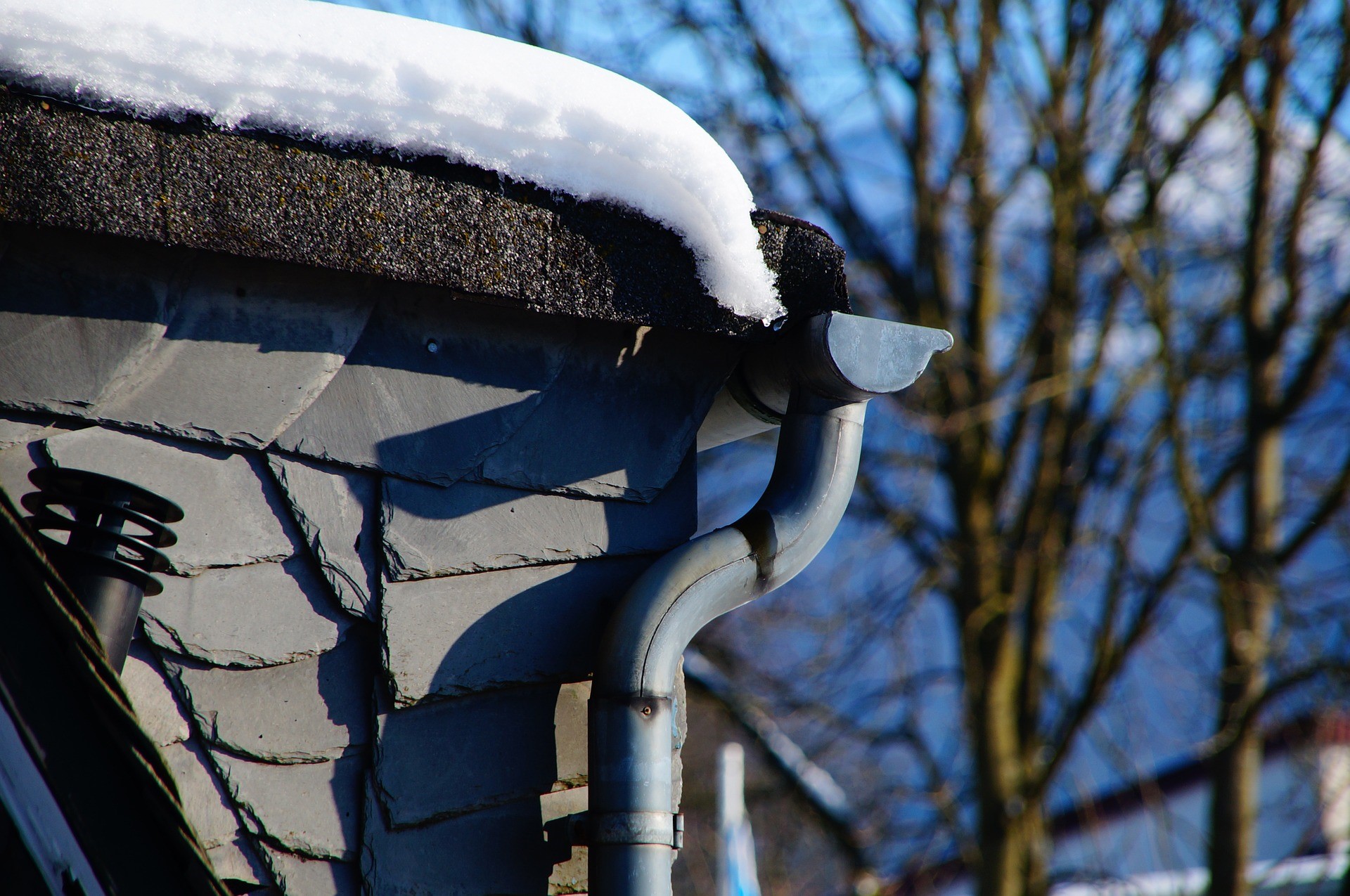
actually a key line of defense against water. If your gutters are left full of
leaves, or if ice builds up in winter causing ice dams, water isn’t directed away from your
home like it should be. The result is that water may seep inside, causing
damage to your ceiling and walls.
Another common source of water damage is your
basement or crawl space. You may think that this is only a problem if you live
in a flood-prone area, but even an average amount of rain can get into your
basement if you don’t take the right precautions. Start by taking a look at
your yard’s slope and landscaping. If your yard slopes toward your home rather
than away from it, you may need to have grading work done to correct the issue. You
can also prevent flooding by choosing local plants that
prevent erosion and by using mulch in your landscaping.
Weak
Points: Windows, Doors, and Siding
Your home’s windows and doors are just as
essential as the roof when it comes to keeping the elements out, yet they can
also be weak spots. If you live in an area where strong storms occur, Family
Handyman recommends installing storm shutters on windows and strengthening
doors by reinforcing them.
Siding is another part of your home that you
may not even think of as a weak spot. If you have vinyl siding, be sure to
inspect it occasionally to make sure it’s in good condition. For homes with wood siding, Nationwide explains how painting
or staining it can reduce the risk of water coming in.
The weather may be a force of nature that’s out of your control, but what you can control is how you protect your home. To make sure you’re protecting it right, add these tasks to your list of seasonal maintenance to-dos. It may make all the difference in how your home weathers the next storm.
Photo credit: Pixabay
Suzie Wilson